News & Insights
Stay informed with the latest breakthroughs, partnerships, and thought leadership from the chemists leading the future of sustainable materials, pharmaceuticals, and advanced manufacturing.
HFIP in Additive Manufacturing & 3D Printing Research
Our consistent product ensures that reproducible results are guaranteed, with no artifacts in analysis or unwanted and unpredictable by-products in syntheses. Fluorochem is REACH registered, so capable of supplying the quantities you need, while still retaining the highest levels of quality and retaining excellent affordability.
HFIP in Research and Manufacturing
HFIP was initially discovered in the 60s, but remained restricted in use until recent years. Now, it is known as a highly versatile solvent, valued in a variety of specialist R&D fields. HFIP’s extreme polarity and large fluorine content means it benefits countless chemical reactions, and improves the solubility of all kinds of substances, even when used in small quantities.
Polymer Solubility for Advanced Materials Research
HFIP is capable of dissolving a wide range of polymers, including some that are typically difficult to dissolve using standard organic solvents
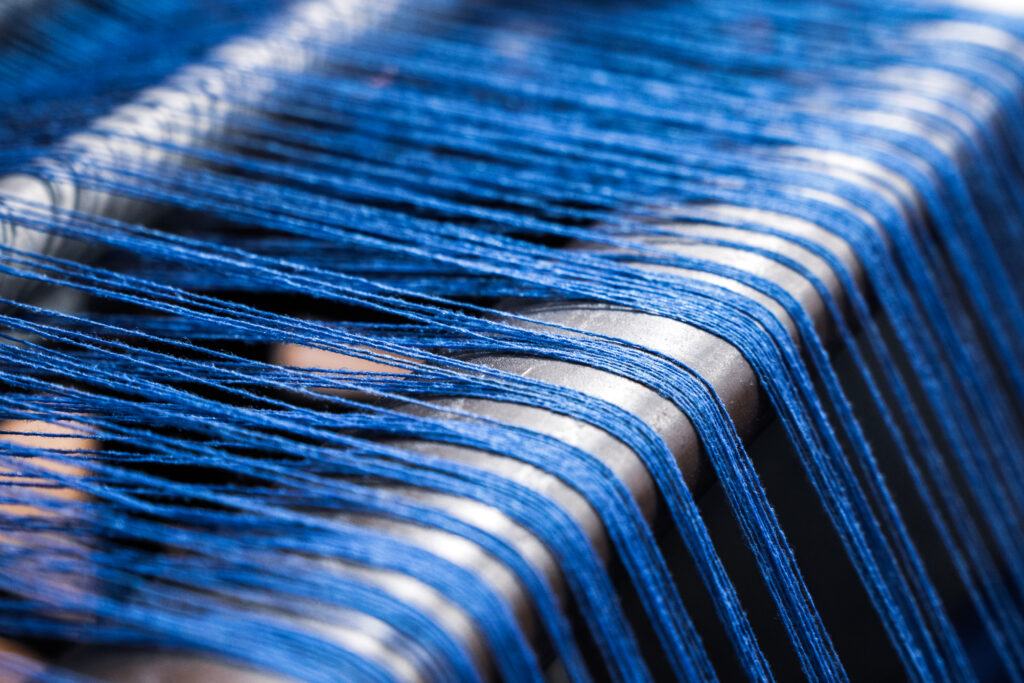
- Nylon (PA6, PA12, PA6/12)
- Polycaprolactone (PCL)
- Poly lactic acid (PLA) (high concentration conditions)
- Silk fibroin
- Polyvinylidene fluoride (PVDF)
- Aromatic polyamides
- Selected fluorinated polymers
This solubility profile means HFIP is commonly used in studies involving:
- Polymer morphology
- Ink and solution preparation for research
- Fibre formation investigations
- Material compatibility analysis
Note: Use conditions and suitability depend on the specific research methods and laboratory protocols.
HFIP in Solution-Based AM & Polymer Processing Studies
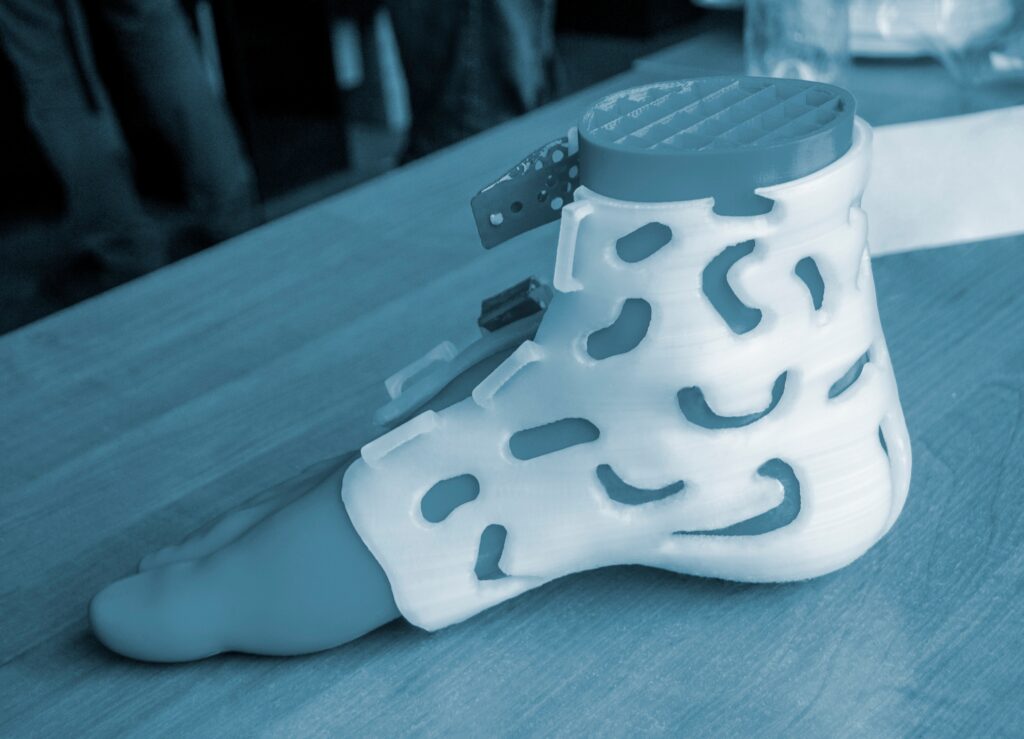
Low solution viscosity, fast evaporation and the ability to support formation of fine structures and fibres mean HFIP has been adopted into experimental AM techniques, especially those focused on polymer dissolution and solution processing. HFIP is referenced in relation to:
- Solution-based 3D printing
- Direct ink writing (DIW) research
- Micro-extrusion studies
- Solvent-casting approaches
- Fibre deposition and structural research
HFIP in Electrospinning and Nanofibre Research
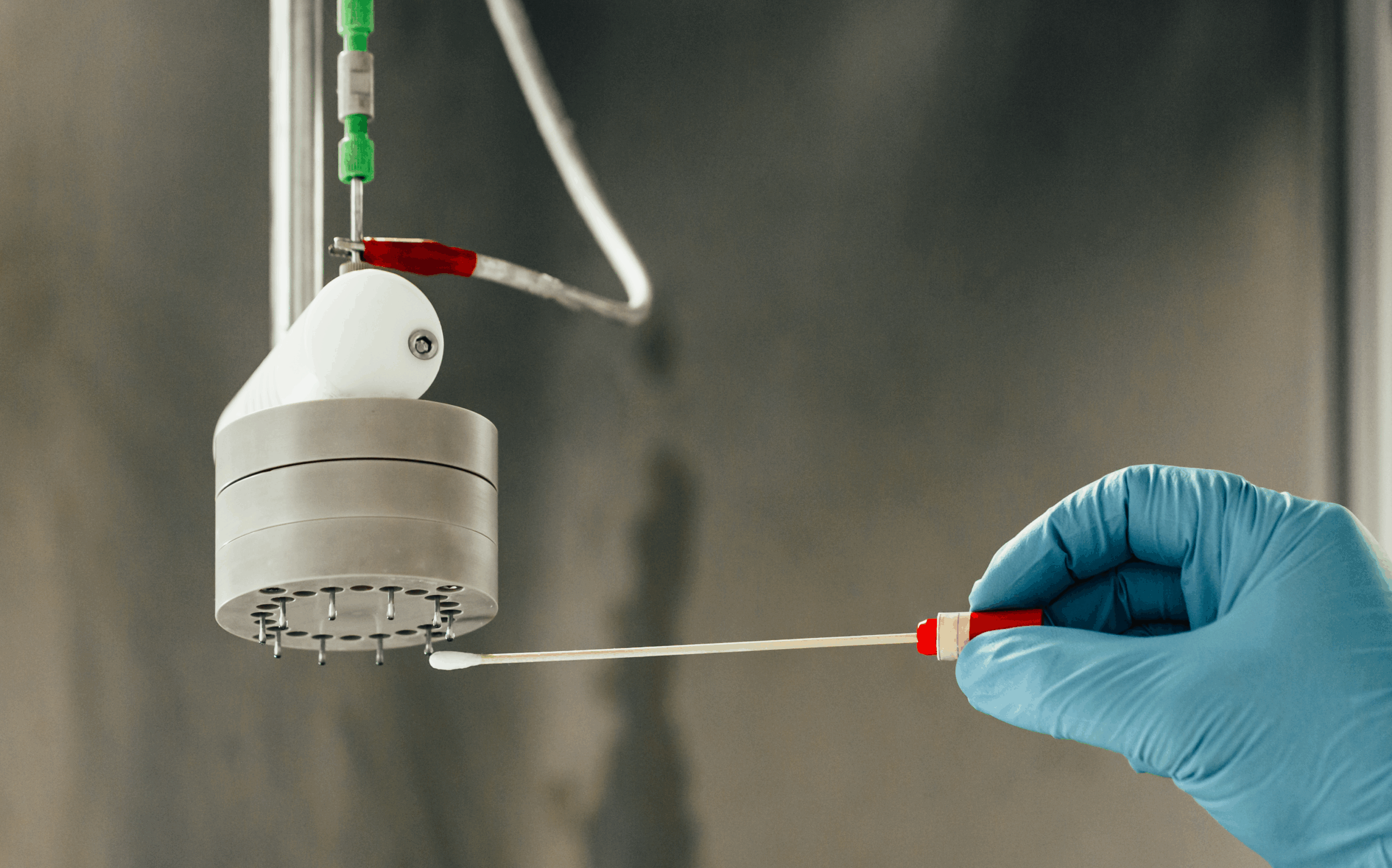
HFIP is widely used in electrospinning research to help achieve fibre uniformity desirable surface morphology of:
- PVDF nanofibres
- PCL nanofibres
- Nylon-based nanofibres
Electrospinning laboratories often choose HFIP when working on the following materials:
- Filtration membranes
- Textile research
- Biomedical materials
- Sensor technologies
- Advanced fibre composites
Use depends on institutional protocols and safety standards.
HFIP in Biomaterials & Bioprinting Research
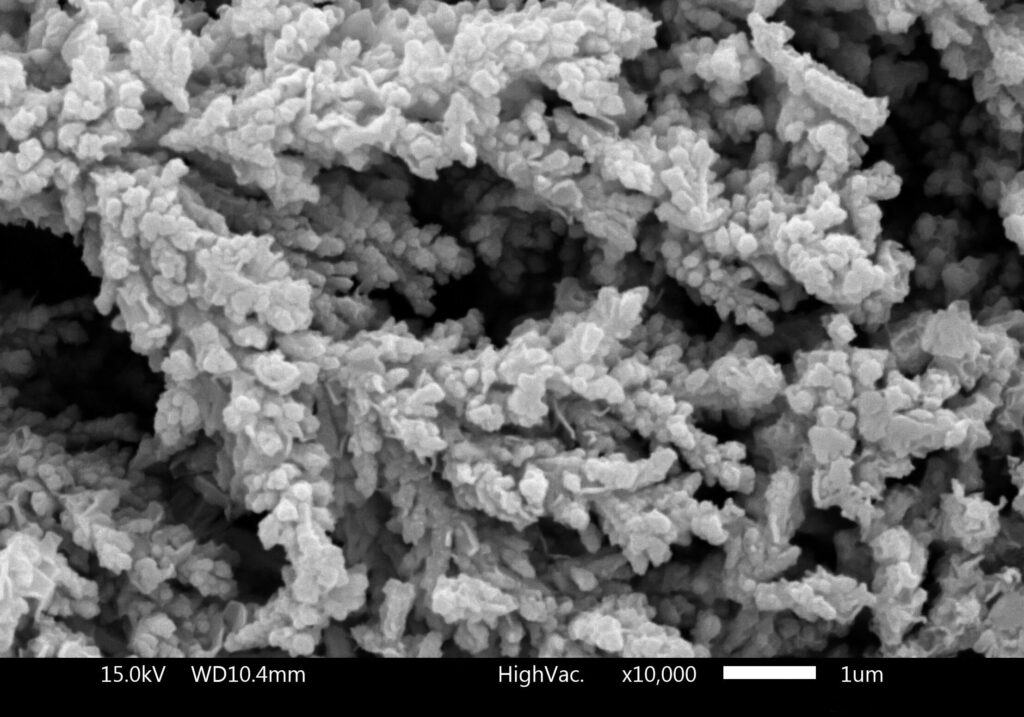
HFIP is known to support beta-sheet formation in silk fibroin under certain conditions, which is relevant for mechanical stability in research-stage scaffolds.
- Silk fibroin solutions
- PCL-based biomaterials
- Prototype scaffolds for tissue engineering research
- Experimental drug-delivery matrices
- High-porosity materials for academic studies
Why Research Groups Choose Fluorochem for HFIP
Fluorochem supplies HFIP to academic institutions, industrial R&D laboratories, materials developers and medical research groups across the UK and EU.
Supplier Advantages
- Large UK and EU inventory
- Pack sizes from 1 L bottles to bulk quantities
- Consistent quality with full COA
- Reliable logistics for time-sensitive projects
- Support from a longstanding specialty chemical supplier
Safety and Handling Information
Hexafluoro-2-propanol is a hazardous solvent that must only be handled by trained personnel in appropriately equipped laboratory or industrial environments.
Researchers should refer to:
- Their internal safety protocols
- Local regulations
- Fluorochem’s SDS (available upon request)
Appropriate PPE, engineering controls, ventilation and storage procedures are essential.