Acyl Chloride & Sulfonyl Chloride Building Blocks
Welcome to OUHE Technology’s catalog of acyl chloride and sulfonyl chloride building blocks. We supply high-purity aliphatic acyl chlorides, aromatic sulfonyl chlorides, and sulfonyl halides essential for peptide amidation, Friedel-Crafts acylations, and hydroxyl activations. Use our advanced search bar to filter by CAS number or product name to secure your moisture-sensitive building blocks.
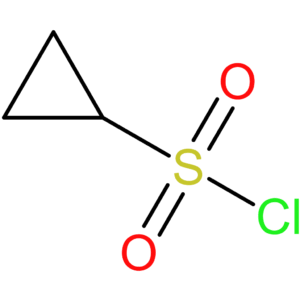
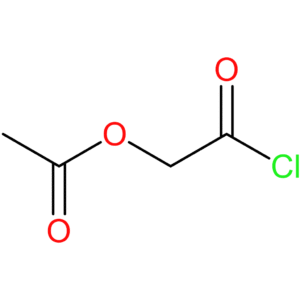
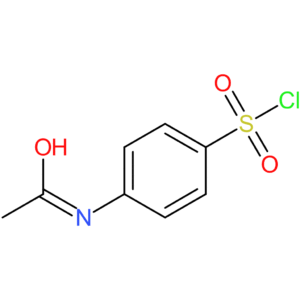
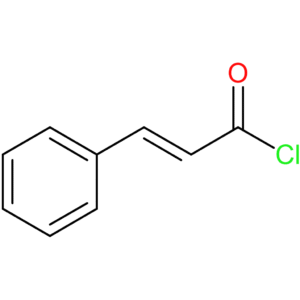
Preventing Moisture-Induced Hydrolysis and Corrosive HCl Release
Acyl and sulfonyl chlorides are highly electrophilic and react violently with trace moisture, hydrolyzing back into their parent acids while releasing corrosive, choking hydrochloric acid (HCl) gas. At OUHE Technology, we prevent moisture-induced hydrolysis and HCl release of our high-purity reactive halide building blocks by packaging them under dry nitrogen in moisture-proof, hermetically sealed containers, preserving active halogen handles.
Structural Classes: From Amide Coupling to Alcohol Activation
-
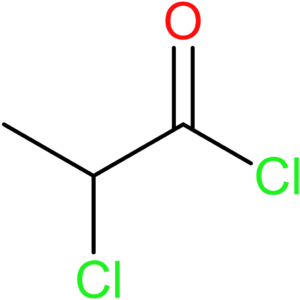
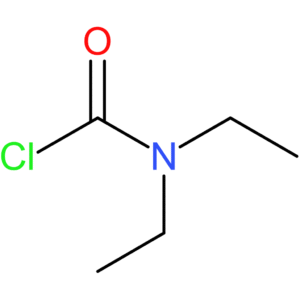
Acyl Chlorides (Aliphatic & Aromatic): Ultra-reactive electrophiles optimized for rapid amide/peptide couplings and Friedel-Crafts acylation reactions.
-
Sulfonyl Chlorides (TsCl & MsCl): Key sulfonyl halides utilized for hydroxyl activation (tosylation/mesylation), converting poorly leaving alcohol hydroxyl groups into highly active electrophiles.
-
Sulfonyl Halides for APIs: Specialized precursors engineered as structural motifs to build sulfonamide pharmacophores in antimicrobial and antiviral drug candidates.
Strict Moisture Control and Chromatographic Purity Verification
Because acyl and sulfonyl chlorides easily hydrolyze into carboxylic or sulfonic acids during storage, verifying active halide titer is a major synthetic concern. We utilize high-resolution capillary GC or HPLC with moisture-free preparation to accurately measure active purity. Every batch is verified using Karl Fischer titration to strictly control water content (<0.05%), ensuring reliable stoichiometry in your synthesis.
Frequently Asked Questions
A: Acyl chlorides react instantly with atmospheric humidity, hydrolyzing and releasing corrosive hydrochloric acid (HCl) gas (which appears as a white mist). We package our moisture-sensitive halides under dry nitrogen to prevent this.
A: The hydroxyl group (-OH) is a very poor leaving group. Using sulfonyl chloride building blocks (such as TsCl or MsCl) in the presence of an organic base converts alcohols into stable tosylates (-OTs) or mesylates (-OMs), which are excellent leaving groups for subsequent nucleophilic substitutions.
A: We measure active halide purity and detect free acid degradation products using high-resolution HPLC or capillary GC with anhydrous sample preparation. We also perform Karl Fischer titration to ensure water content is kept below 0.05%.