Ester Compounds & Specialty Lactones
Welcome to OUHE Technology’s catalog of ester compounds and specialty lactones. We supply high-purity carboxylic esters, cyclic lactones, and boronate/sulfonate esters essential for pharmaceutical APIs, biodegradable polymers, and advanced cross-coupling reactions. Use our advanced search bar to filter by CAS number or product name to secure your target intermediates.
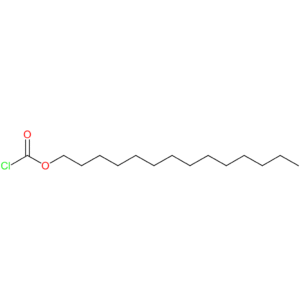
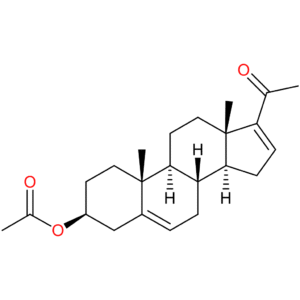
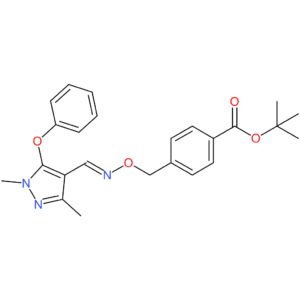
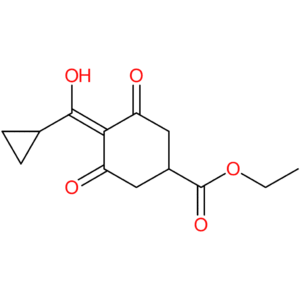
Hydrolytic Stability Management and Moisture-Barrier Sealing
Ester linkages are highly susceptible to slow, acid- or base-catalyzed hydrolysis in the presence of trace water, decomposing back into their parent acids and alcohols. To prevent this degradation, OUHE Technology packages our high-purity ester intermediates under dry nitrogen in moisture-proof, hermetically sealed containers, ensuring long-term chemical stability and accurate stoichiometry.
Structural Sub-Classes: From Cyclic Lactones to Boronate Esters
-
Cyclic Lactones: γ-butyrolactones and δ-valerolactones optimized as key API scaffolds, specialty solvents, and monomers for biodegradable ring-opening polymerizations.
-
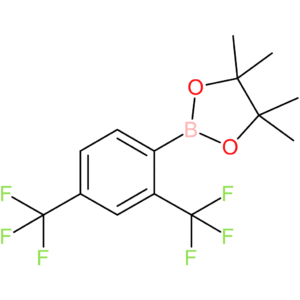
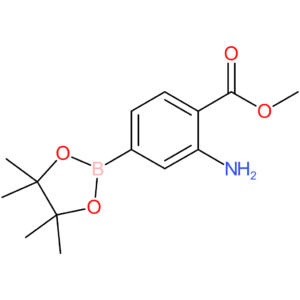
Inorganic & Boronate Esters: High-purity pinacol boronate esters serving as robust, stable coupling partners for transition metal-catalyzed Suzuki-Miyaura cross-couplings.
-
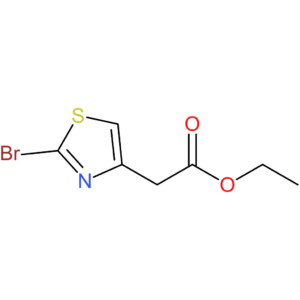
Carboxylic & Sulfonate Esters: Esters designed for reversible carboxyl protection or activated sulfonate esters (such as tosylates and triflates) used as powerful electrophilic alkylating agents.
Transesterification Chemistry and High-Resolution Quality Control
Ester compounds frequently undergo transesterification reactions or serve as key olfactory ingredients in fragrance formulations. For these precise applications, we strictly control trace water and free acid/alcohol impurities. We analyze our ester derivatives using high-resolution capillary GC-FID or HPLC and verify structural integrity using NMR and MS spectroscopy through our academic partnerships, ensuring batch-to-batch consistency.
Frequently Asked Questions
A: Esters easily hydrolyze in the presence of trace water. We prevent this by packaging our moisture-sensitive esters under dry nitrogen in hermetically sealed containers. We recommend storing them in cool, dry conditions.
A: Pinacol boronate esters are significantly more stable, less prone to dehydration/oligomerization, and easier to purify than free boronic acids, ensuring reproducible Suzuki cross-coupling yields and longer shelf life.
A: We monitor degradation products (free acids and alcohols) using high-resolution GC-FID or HPLC with moisture-free preparation. We also perform Karl Fischer titration to strictly control water content (typically <0.05%).