Indole Fine Chemicals & Pyrrole-Benzene Heterocycles
Welcome to OUHE Technology’s catalog of indole fine chemicals and pyrrole-benzene heterocycles. We supply high-purity haloindoles, indole-3-acetic acids, and indole-5-boronic acids essential for oncology APIs, plant growth regulators, and central nervous system (CNS) drug design. Easily search our database by CAS number or product name to find your specific requirements.
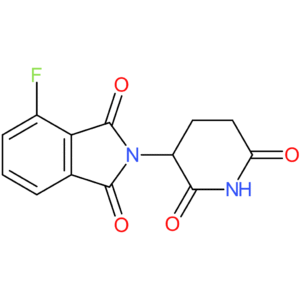
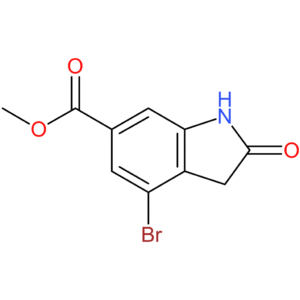
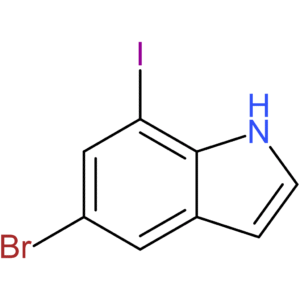
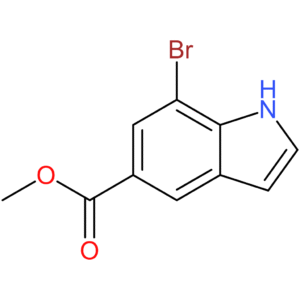
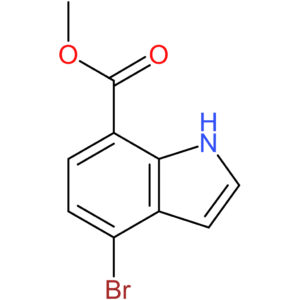
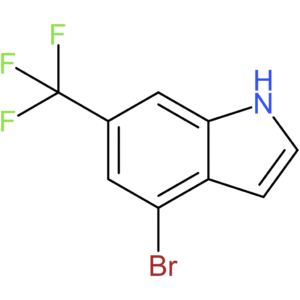
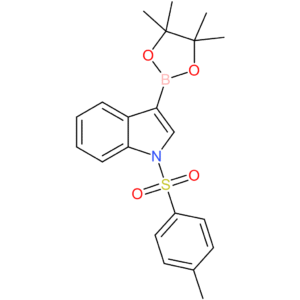
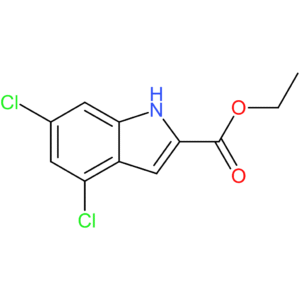
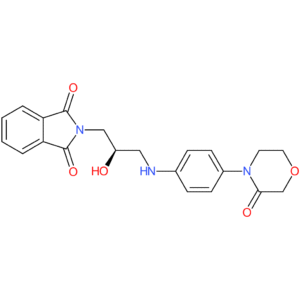
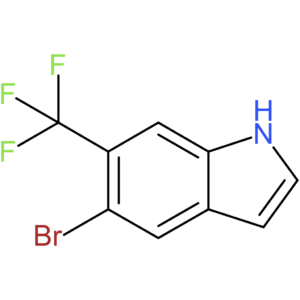
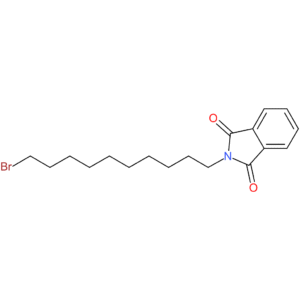
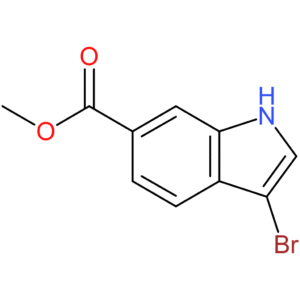
High C-3 Regiochemical Reactivity and Air-Sensitive Discoloration Controls
The electron-rich, fused benzene-pyrrole ring of indole undergoes electrophilic aromatic substitution (EAS) with exceptional selectivity at the C-3 position. However, these highly reactive scaffolds are prone to light- and air-oxidation, turning pink, red, or dark brown over time. At OUHE Technology, we prevent photochemical degradation and oxidation by storing our sensitive indole derivatives under dry nitrogen in light-shielded, hermetically sealed containers.
Essential Sub-Classes of Privileged Indole Scaffolds
-
Haloindoles (5- , 6-Substituted): High-purity halogenated intermediates widely used as coupling partners to build complex serotonin receptor agonists and kinase inhibitors.
-
Indole-3-Acetic Acids & Auxins: Key derivatives optimized for plant physiology research, agricultural growth regulators, and synthetic biochemical pathways.
-
N-Protected & N-Alkylindoles: Scaffolds utilizing weak N-H acidity (pKa≈16.2) to achieve regiochemical control over subsequent C-3 functionalizations.
C-3 Functionalization and High-Performance Chromatographic Quality Control
Introducing functional groups at the C-3 position (via Vilsmeier-Haack formylation or Mannich reactions) is a key pathway to active molecules. To ensure reliable performance, we verify our products using high-resolution GC or HPLC and NMR spectroscopy to monitor positional isomers and trace oxidation impurities. Every custom batch is supplied with complete COA data, confirming absolute structural and isomeric purity.
Frequently Asked Questions
A: Indoles are highly sensitive to oxygen and light, which trigger slow surface autoxidation and oligomerization, leading to pink or brown discoloration. We package our air-sensitive indoles under dry nitrogen in light-shielded containers. We recommend cold storage below 4°C.
A: Electrophilic attack at the C-3 position is thermodynamically favored because the resulting transition-state carbocation preserves the highly stable aromaticity of the fused benzene ring, whereas attack at C-2 disrupts it.
A: Indole regioisomers can be difficult to separate due to similar physical properties. We verify precise substitution positions (e.g., 5-halo vs. 6-halo) using high-resolution HPLC or capillary GC and confirm structure via 1H-NMR, 13C-NMR, and MS spectra.