Ketone Building Blocks & Carbonyl Synthons
Welcome to OUHE Technology’s catalog of ketone building blocks and carbonyl synthons. We supply high-purity aliphatic ketones, aromatic acetophenones, and cyclic ketones essential for tertiary alcohol synthesis, Robinson annulations, and reductive aminations. Use our advanced search bar to filter by CAS number or product name to secure your target building blocks.
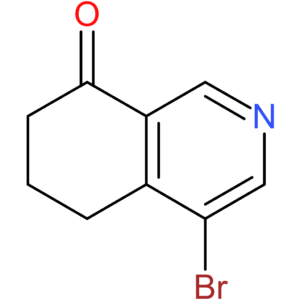
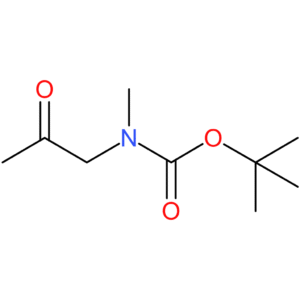
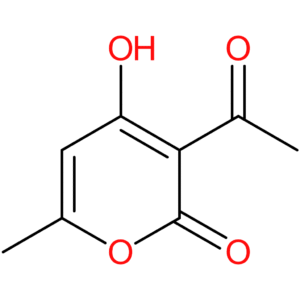
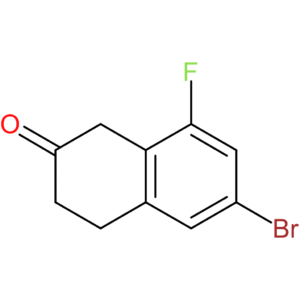
![8-chloro-Pyrido[2,3-d]pyridazin-5(6H)-one](https://ouhetech.com/wp-content/uploads/2026/06/A20153-300x300.png)
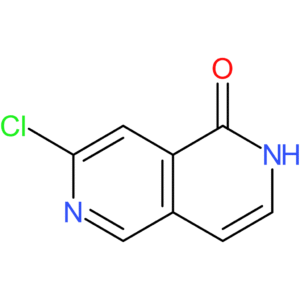
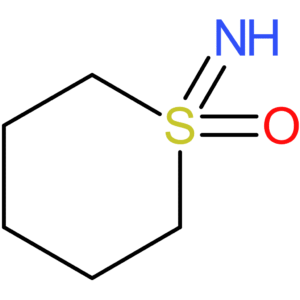
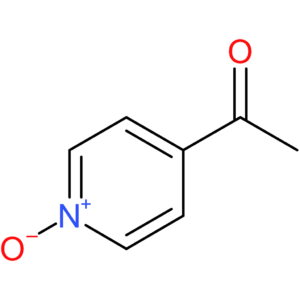
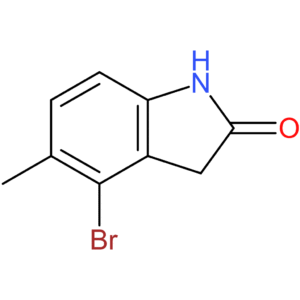
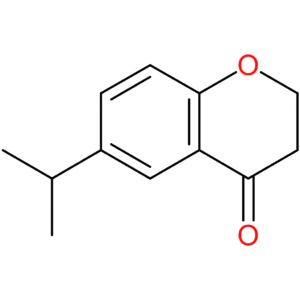
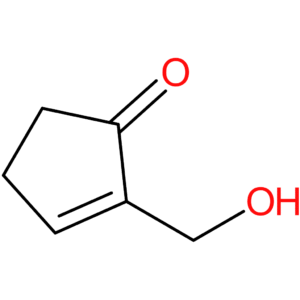
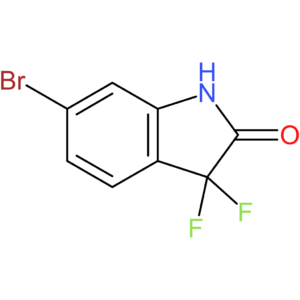
Carbonyl (C=O) Electrophilicity and Steric Control in Complex Assembly
The carbonyl group (C=O) in ketones serves as a highly stable electrophilic center. At OUHE Technology, we supply ketones optimized for selective Grignard additions to yield tertiary alcohols and reversible ketal protection pathways. Our high-purity intermediates ensure minimal side-reactions and predictable reaction kinetics in your multi-step organic synthesis.
Structural Classes: From Acetophenones to Enolizable Rings
-
Aromatic Acetophenones: Key aromatic building blocks optimized for halogenations, reductive aminations, and transition metal-catalyzed cross-couplings.
-
Cyclic Ketones (Cyclohexanones, Cyclopentanones): Enolizable ring structures with highly acidic alpha-hydrogens, ideal for Robinson annulations and Aldol condensations.
-
1,3-Diketones & Protecting Synthons: Specialty ketones designed for selective bidentate metal coordination or pre-configured with reversible ketal protecting groups.
Alpha-Hydrogen Acidity and Moisture-Controlled Quality Assurance
The acidic alpha-hydrogens of enolizable ketones enable versatile carbon-alkylations and halogenations. Since trace moisture can catalyze aldol self-condensation or hydrolyze ketal protections during storage, we package our reactive ketone building blocks under dry nitrogen in moisture-proof containers. Every batch is verified using high-resolution GC or HPLC and NMR spectroscopy to guarantee absolute structural and isomeric purity.
Frequently Asked Questions
A1: Ketones possess two alkyl or aryl groups attached to the carbonyl carbon (R1-CO-R2). Nucleophilic attack by a Grignard reagent (R3-MgX) on this electrophilic center introduces a third carbon group, resulting in a tertiary alcohol after acidic workup.
A: The carbonyl group in ketones is a reactive electrophile. Using ketal-protected ketone building blocks (featuring cyclic ketals or dithioketals) masks this reactivity, allowing you to selectively perform reductions or coupling reactions on other functional groups before deprotecting under mild acidic conditions.
A: We analyze substituted acetophenones using high-resolution capillary GC-FID or HPLC with selective stationary phases to resolve potential isomeric impurities. Structural confirmation is provided via detailed 1H-NMR, 13C-NMR, and MS spectra.