Hydrazides & Acylhydrazone Intermediates
Welcome to OUHE Technology’s catalog of hydrazides and acylhydrazone intermediates. We supply high-purity aliphatic hydrazides, substituted benzohydrazides, and dihydrazide crosslinkers essential for pharmaceutical drug delivery, heterocyclic cyclization, and specialty coatings. Use our advanced search bar to filter by CAS number or product name to secure your target intermediates.
![L-Lysine,N6-[5-[(3aS,4S,6aR)-hexahydro-2-oxo-1H-thieno[3,4-d]imidazol-4-yl]-1-oxopentyl]-,hydrazide](https://ouhetech.com/wp-content/uploads/2026/06/A21769-300x300.png)
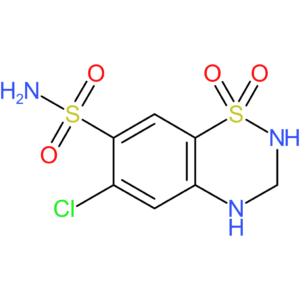
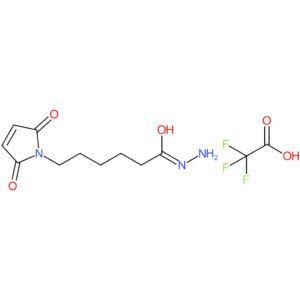
High Terminal Nucleophilicity and pH-Sensitive Acylhydrazone Linkers
The terminal hydrazine nitrogen in hydrazides possesses high nucleophilicity due to the alpha-effect, enabling efficient condensation with aldehydes and ketones. This reaction selectively yields acylhydrazone intermediates, which are widely used as pH-sensitive linkers in targeted drug delivery systems. At OUHE Technology, we ensure our high-purity acylhydrazides undergo strict quality control to prevent pre-condensation or moisture degradation before reaching your laboratory.
Structural Sub-Classes: From Benzohydrazides to ADH Crosslinkers
-
Substituted Benzohydrazides: Aromatic building blocks utilized for preparing Curtius rearrangement precursors (acyl azides) and heterocyclic drug scaffolds.
-
Dihydrazides (such as ADH): Adipic acid dihydrazide and related difunctional agents designed as formaldehyde-free crosslinking agents for water-based acrylic coatings and epoxy resins.
-
Heterocyclic Hydrazides: Pyridine, furan, and thiophene-derived hydrazides optimized for synthesizing agricultural fungicides and targeted enzyme inhibitors.
Heterocyclic Cyclization Chemistry and HPLC Quality Control
Hydrazides are classic starting materials for constructing 1,3,4-oxadiazoles, 1,3,4-thiadiazoles, and 1,2,4-triazoles. Achieving high purity is critical to avoid regioisomeric byproducts. We utilize high-resolution HPLC and GC to monitor active content and trace carboxylic acid impurities. Structural verification is confirmed via high-field NMR and Mass Spectrometry (MS) through our academic partnerships, ensuring batch-to-batch consistency.
Frequently Asked Questions
A: Acylhydrazones formed from our high-purity hydrazides act as pH-sensitive linkers. They are highly stable at physiological pH (7.4) but undergo rapid, controlled hydrolysis in acidic lysosomal environments (pH <5.5), ideal for targeted oncology drug release.
A: We monitor free acid and hydrazine degradation products using high-resolution HPLC or GC-FID. We also strictly control moisture levels via Karl Fischer titration to prevent slow hydrolytic degradation of the hydrazide linkage.
A: Yes. Our hydrazides are optimized for cyclization into 1,3,4-oxadiazoles (using dehydrating agents) and can react with nitrous acid to form acyl azides, which are prime precursors for the Curtius rearrangement to yield carbamates or amines.