Benzoquinone Building Blocks & Reactive Dienophiles
Welcome to OUHE Technology’s catalog of benzoquinone building blocks and reactive dienophiles. We supply high-purity 1,4-benzoquinones, substituted alkylbenzoquinones, and haloquinones vital for Diels-Alder cycloadditions, conjugate Michael additions, and complex polycyclic assemblies. Use our advanced search bar to filter by CAS number or product name to secure your target building blocks.
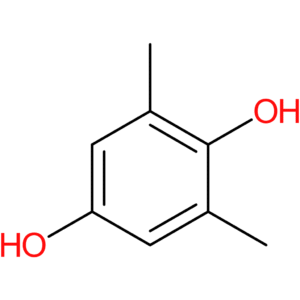
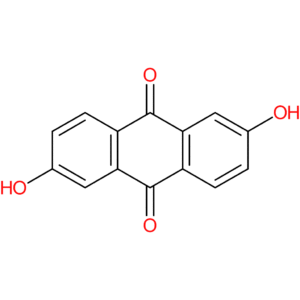
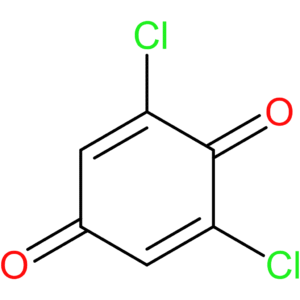
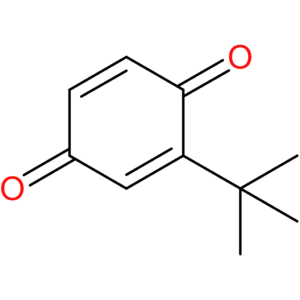
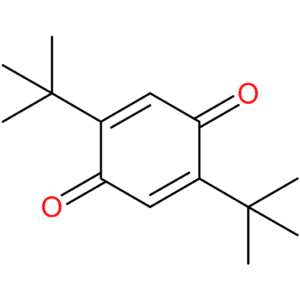
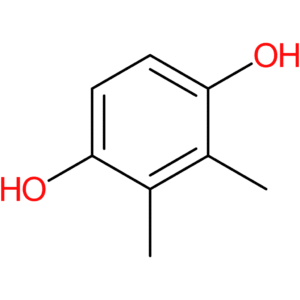
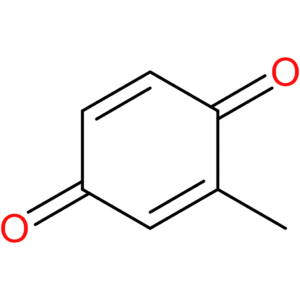
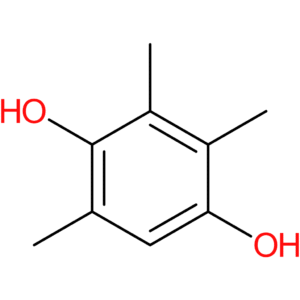
Preventing Sublimation and Photochemical Degradation in Quinone Synthons
The unsaturated diketone core of 1,4-benzoquinone is highly volatile and prone to sublimation even at room temperature. Exposure to light also triggers photochemical dimerization, degrading its synthetic utility. At OUHE Technology, we prevent this sublimation and photochemical decomposition by packaging our high-purity benzoquinone building blocks under dry nitrogen in air-tight, light-shielded containers, preserving their reactivity for multi-step organic synthesis.
Structural Classes: From Simple Dienophiles to Substituted Quinones
-
Active Dienophiles (1,4-Benzoquinone): Classic, highly reactive dienophiles optimized for building complex polycyclic systems via Diels-Alder cycloadditions.
-
Halogenated Benzoquinones: Electron-deficient quinones used as powerful Michael acceptors for regioselective nucleophilic conjugate additions of amines, thiols, or active methylenes.
-
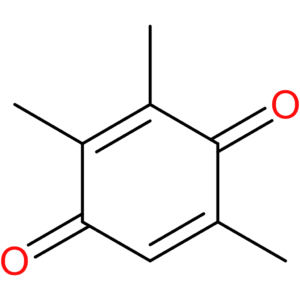
Alkylbenzoquinones: Methyl- or alkyl-substituted quinones designed as advanced synthetic intermediates for constructing vitamins, coenzymes, and fused heterocyclic scaffolds.
Regioselective Conjugate Addition and Spectroscopic Quality Control
Functionalizing the benzoquinone ring requires precise control over competitive Michael additions and redox side reactions. We specialize in the custom synthesis of substituted benzoquinones with precise regiochemical and isomeric control. We verify chemical specifications using high-resolution GC or HPLC and NMR spectroscopy to ensure absolute structural purity, preventing batch-to-batch variation in your synthesis.
Frequently Asked Questions
A: The two electron-withdrawing carbonyl groups in 1,4-benzoquinone strongly activate the adjacent carbon-carbon double bonds, lowering the LUMO and making it an exceptionally reactive dienophile for Diels-Alder cycloadditions to yield polycyclic systems.
A: 1,4-Benzoquinones easily sublime at room temperature. We package our volatile quinone building blocks in airtight, light-shielded amber glass containers and recommend storage below 15°C to minimize sublimation and clumping.
A: Due to their strong oxidizing nature and potential reactivity, we verify purity using high-resolution GC or HPLC with specialized columns. We also provide complete NMR and MS spectra to confirm exact substitution patterns.