Aldehyde Building Blocks & Formyl Synthons
Welcome to OUHE Technology’s catalog of aldehyde building blocks and formyl synthons. We supply high-purity aliphatic aldehydes, substituted benzaldehydes, and heteroaromatic aldehydes essential for reductive aminations, carbon-carbon double bond olefinations, and drug discovery workflows. Use our advanced search bar to filter by CAS number or product name to secure your target building blocks.
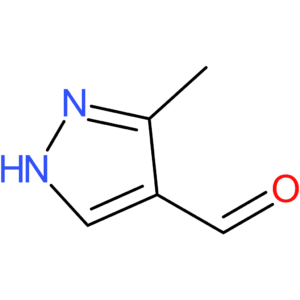
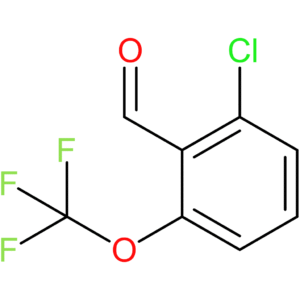
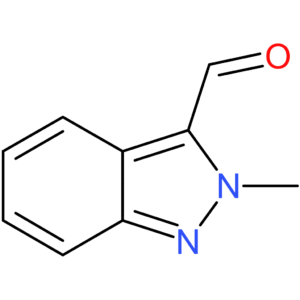
![3,4-dihydro-2H-pyrano[2,3-c]pyridine-6-carbaldehyde](https://ouhetech.com/wp-content/uploads/2026/06/K15026-300x300.png)
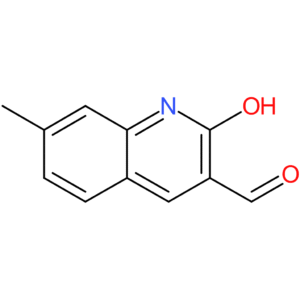
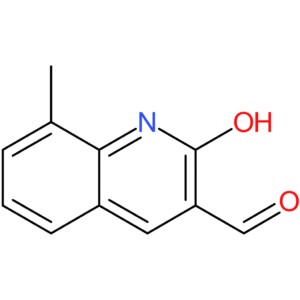
![4-methyl-1H-pyrrolo[2,3-b]pyridine-3-carbaldehyde](https://ouhetech.com/wp-content/uploads/2026/06/K15023-300x300.png)
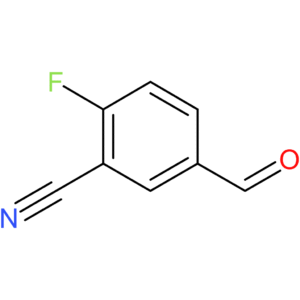
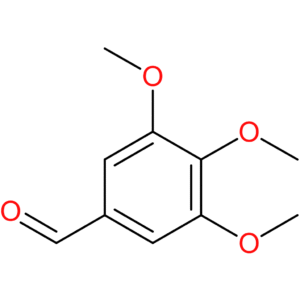
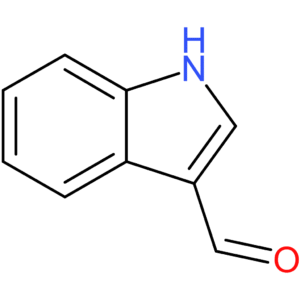
Inhibiting Autoxidation and Polymerization of Labile Formyl Handles
The formyl group (−CH=O) is a highly reactive, unhindered electrophile, but it is deeply vulnerable to autoxidation into carboxylic acid solids and acid-catalyzed polymerization. To preserve active electrophilic titers, OUHE Technology packages our high-purity aldehyde building blocks under dry nitrogen in moisture-proof, hermetically sealed containers, maintaining structural stability.
Structural Classes: From Coupling Partners to Reversible Protecting Synthons
-
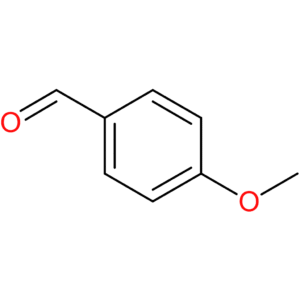
Benzaldehydes & Heteroaromatics: Essential building blocks optimized for reductive aminations to yield secondary/tertiary amines and Schiff base condensations in pharmaceutical API design.
-
Olefination Partners (Wittig/HWE): Clean, non-hindered formyl partners designed for Horner-Wadsworth-Emmons (HWE) and Wittig olefinations to construct carbon-carbon double bonds.
-
Acetal-Protected Aldehydes: Synthons pre-configured for reversible cyclic acetal or dithioacetal protection, masking formyl reactivity during complex multi-step organic synthesis.
Accurate Titer Determination and High-Resolution Spectroscopic Quality Control
Because aldehydes easily degrade into corresponding acids, verifying the actual active formyl content is a major synthetic concern. We specialize in the custom synthesis of rare substituted aldehydes with precise isomeric control. Our analytical team verifies chemical specifications using high-resolution capillary GC or HPLC and NMR spectroscopy to guarantee absolute purity, preventing batch-to-batch variation in your C-C bond formations.
Frequently Asked Questions
A: Benzaldehydes undergo rapid autoxidation when exposed to atmospheric oxygen, forming solid benzoic acid. We prevent this by packaging our air-sensitive aldehyde building blocks under dry nitrogen in airtight containers. We recommend cold storage below 4°C.
A: The formyl group is a highly reactive electrophile. Using acetal-protected aldehyde building blocks (featuring cyclic acetals or dithioacetals) masks this reactivity, allowing you to selectively perform reductions or nucleophilic additions elsewhere before deprotecting under mild acidic conditions.
A: We measure active aldehyde content and detect free carboxylic acid impurities using high-resolution GC-FID or HPLC with moisture-free preparation. We also perform Karl Fischer titration to ensure water content is kept below 0.05% to prevent hydration.