Amide Building Blocks & Chiral Auxiliaries
Welcome to OUHE Technology’s catalog of amide building blocks and chiral auxiliaries. We supply high-purity primary amides, Weinreb amides, and Evans oxazolidinone auxiliaries essential for ketone synthesis, stereoselective alkylations, and selective amine reductions. Use our advanced search bar to filter by CAS number or product name to secure your target building blocks.
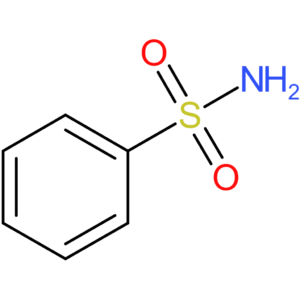
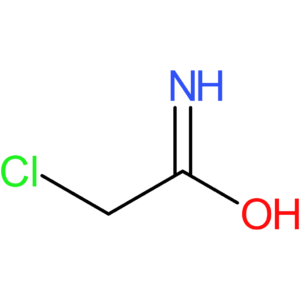
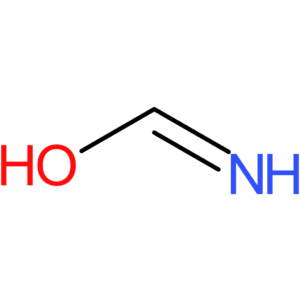
Amide Bond Resonance, Planarity, and Rotameric NMR Characterization
The nitrogen-carbon bond in amides exhibits significant double-bond character due to resonance, restricting rotation and creating distinct cis/trans rotamers at room temperature. While this planarity ensures high chemical stability, it often splits peaks in 1H-NMR. At OUHE Technology, we provide detailed NMR analysis to resolve these rotameric configurations, ensuring predictable structural confirmation during your multi-step synthesis.
Structural Classes: From Weinreb Amides to Chiral Auxiliaries
-
Weinreb Amides (N-Methoxy-N-methylamides): Symmetrical or substituted amide building blocks optimized for selective ketone synthesis via nucleophilic Grignard or organolithium additions without over-additio.
-
Evans Chiral Auxiliaries: High-purity oxazolidinone-derived amides designed for stereoselective alpha-alkylations and asymmetric aldol reactions.
-
Amine Reduction Precursors: Primary, secondary, and tertiary amides pre-configured for selective reduction to substituted amines using borane or lithium aluminum hydride (LiAlH4).
Moisture Protection of Hydrolytically Resistant but Hygroscopic Lactams
While amides are highly resistant to standard chemical hydrolysis, certain low molecular weight amides and cyclic lactams are strongly hygroscopic. Absorbed moisture can catalyze unwanted side reactions or hydrolyze protected groups in subsequent synthetic steps. We prevent moisture contamination and clumping by packaging our high-purity amides under dry nitrogen in moisture-proof, hermetically sealed containers, verified via high-resolution HPLC or GC.
Frequently Asked Questions
A: Nucleophilic addition of Grignard or organolithium reagents to a Weinreb amide forms a highly stable, five-membered magnesium-chelated intermediate. This intermediate is stable to further addition and only collapses to the target ketone during acidic workup.
A: The C-N amide bond possesses partial double-bond character due to resonance, restricting rotation. This creates stable cis and trans rotamers at room temperature, which appear as separate, split peaks in NMR.
A: For selective reduction of the carbonyl group in our amide building blocks to yield primary, secondary, or tertiary amines, we recommend utilizing strong reducing agents like lithium aluminum hydride (LiAlH4) or borane complexes (BH3⋅THF).