Boronic Acids & Boronate Ester Building Blocks
Welcome to OUHE Technology’s catalog of boronic acids and boronate ester building blocks. We supply high-purity arylboronic acids, pinacol boronate esters (BPin), and potassium trifluoroborates essential for palladium-catalyzed Suzuki-Miyaura cross-couplings and multi-step aromatic assemblies. Use our advanced search bar to filter by CAS number or product name to secure your target building blocks.
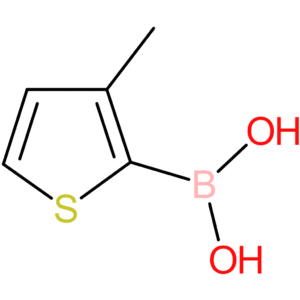
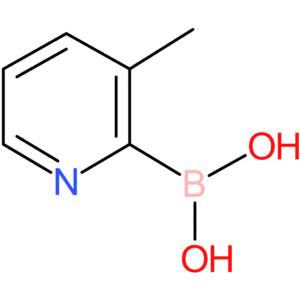
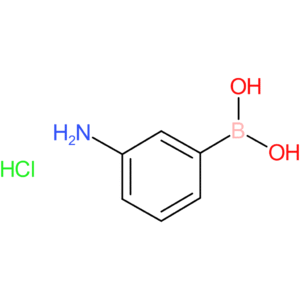
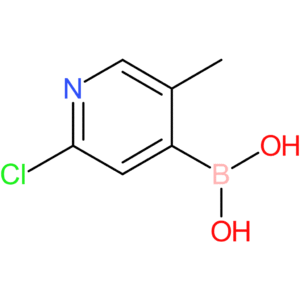
Managing Boroxine Oligomerization and Protodeboronation Susceptibility
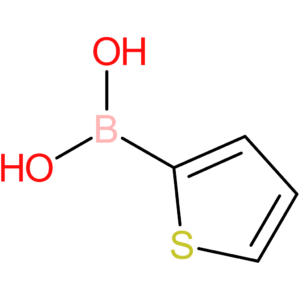
Free boronic acids readily undergo reversible self-dehydration to form trimeric cyclic anhydrides called boroxines, which can complicate reactant stoichiometry. Additionally, electron-deficient heteroarylboronic acids are highly susceptible to protodeboronation. At OUHE Technology, we protect our reactive boronic acid building blocks by packaging them under dry nitrogen in hermetically sealed containers, preventing moisture-induced oligomerization.
Structural Classes: From Free Acids to Protected Boronates
-
Aryl & Heteroarylboronic Acids: Premium nucleophilic partners designed for classic Suzuki-Miyaura cross-couplings to synthesize biaryl pharmaceutical scaffolds.
-
Pinacol Boronate Esters (BPin): Highly stable, non-hygroscopic boronates optimized for prolonged shelf life and robust, predictable coupling yields.
-
MIDA Boronates & Trifluoroborates: Specialized protected boronates designed for iterative cross-couplings or highly crystalline trifluoroborate salts that resist protodeboronation.
High-Resolution Chromatography and Inductively Coupled Plasma Quality Control
Analyzing boronic acids is challenging due to the dynamic equilibrium between free acids and cyclic boroxines. We verify our building blocks using high-resolution HPLC or GC-FID (often requiring derivatization) alongside NMR spectroscopy to confirm structural integrity. For premium batches, we perform ICP analysis to confirm precise boron content, ensuring absolute batch-to-batch consistency in your cross-coupling reactions.
Frequently Asked Questions
A: Free boronic acids exist in a dynamic equilibrium with their dehydrated trimeric anhydrides (boroxines). Standard HPLC/GC can show multiple peaks or shifted stoichiometry due to this reversible dehydration, which does not affect their reactivity in Suzuki couplings.
A: Pinacol boronate esters are highly stable, non-hygroscopic, and completely resist boroxine dehydration. This ensures a precise, predictable stoichiometric ratio during coupling and significantly improves the shelf life of sensitive heteroaryl-boronates.
A: Acid-sensitive rings (like pyridine or thiophene) easily undergo protodeboronation. We stabilize these labile boron building blocks by converting them into pinacol esters, MIDA boronates, or trifluoroborate salts, and package them under dry nitrogen.