Carboxylic Ester Building Blocks & Protecting Synthons
Welcome to OUHE Technology’s catalog of carboxylic ester building blocks and protecting synthons. We supply high-purity aliphatic esters, aromatic benzoates, and enolizable malonates essential for carbon-carbon Claisen condensations, reversible carboxyl protection, and organic synthesis. Use our advanced search bar to filter by CAS number or product name to secure your target building blocks.
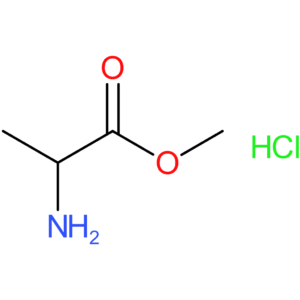
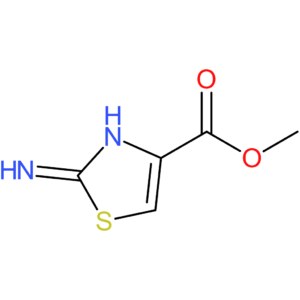
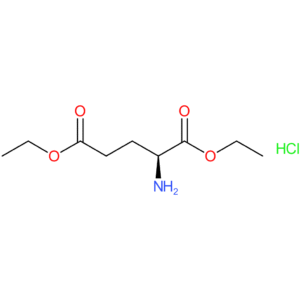
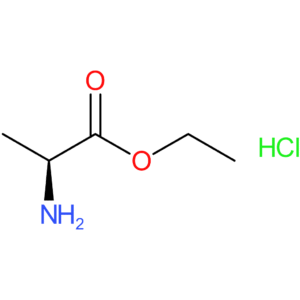
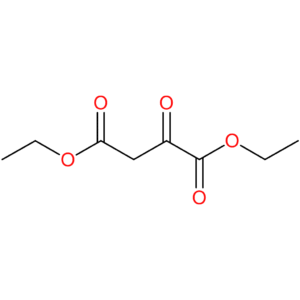
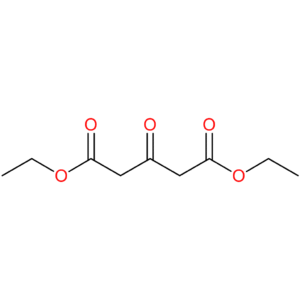
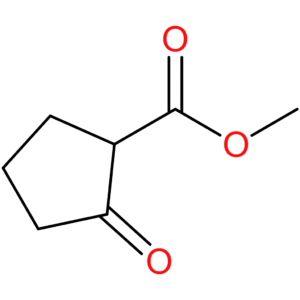
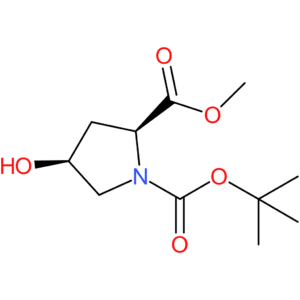
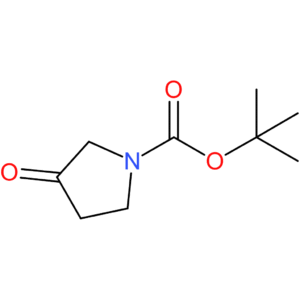
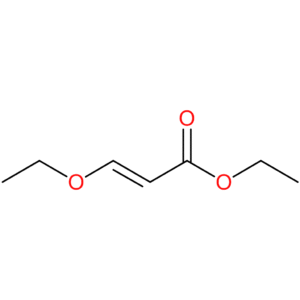
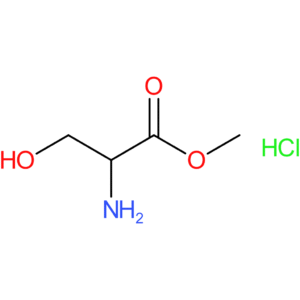
Preventing Moisture-Induced Autohydrolysis in Ester Building Blocks
Ester linkages are susceptible to slow, acid- or base-catalyzed autohydrolysis in the presence of trace water, decomposing back into their parent acids and alcohols. This hydrolysis degrades chemical purity and stoichiometry. At OUHE Technology, we prevent autohydrolysis and degradation of our high-purity carboxylic ester building blocks by packaging them under dry nitrogen in moisture-proof, hermetically sealed containers.
Structural Classes: From Enolizable Synthons to Protecting Groups
-
Enolizable Esters & Malonates: Active carbon-centered nucleophiles optimized for Claisen condensations and malonic ester syntheses to construct complex carbon-carbon bonds.
-
Protecting Group Synthons: Methyl, ethyl, allyl, or t-butyl esters used for reversible carboxyl protection, masking acidic carboxylic acids during multi-step organic synthesis.
-
Precursors for Alcohol/Grignard Conversions: Stable ester templates designed for selective reduction to primary alcohols or reaction with Grignard reagents to yield tertiary alcohols.
Transesterification Control and Chromatographic Purity Verification
Ester building blocks must undergo selective transesterification or reduction without unintended side reactions. To guarantee performance, we strictly control trace water and free acid/alcohol impurities. We verify our ester derivatives using high-resolution capillary GC-FID or HPLC and confirm structural and isomeric configurations using NMR and MS spectroscopy through our university partnerships.
Frequently Asked Questions
A: Trace water causes esters to hydrolyze back into acidic precursors. We prevent this by packaging our moisture-sensitive esters under dry nitrogen in hermetically sealed containers. We recommend keeping storage cool and dry.
A: Methyl esters require harsh basic hydrolysis to cleave. Using t-butyl ester building blocks allows for mild acidic cleavage (using TFA), while allyl esters are removed under neutral, palladium-catalyzed conditions, ensuring highly orthogonal deprotection.
A: We monitor free acid and alcohol degradation products using high-resolution GC-FID or HPLC. We also perform Karl Fischer titration to strictly control water content (typically <0.05%) to prevent hydrolysis.