Five-Membered Nitrogen Heterocycles & Azole Synthons
Welcome to OUHE Technology’s catalog of five-membered nitrogen heterocycles and azole synthons. We supply high-purity pyrroles, imidazoles, pyrazoles, and triazole derivatives essential for drug discovery, selective cross-couplings, and asymmetric synthesis. Use our advanced search bar to filter by CAS number or product name to secure your target building blocks.
Inhibiting Atmospheric Autoxidation and Polymerization in Rich Azole Synthons
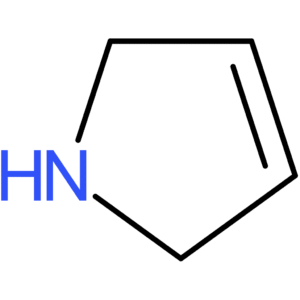
The electron-rich, π-excessive aromatic ring of pyrrole is highly vulnerable to autoxidation, readily polymerizing into dark polypyrrole oligomers. At OUHE Technology, we prevent this air-sensitive oxidation and polymerization of our reactive azole monomers by packaging them under dry nitrogen in light-shielded, hermetically sealed containers, maintaining structural integrity and active titer.
Structural Classes: From Coupling Partners to Chiral Organocatalysts
-
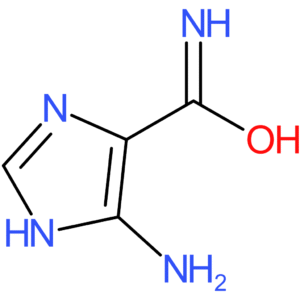
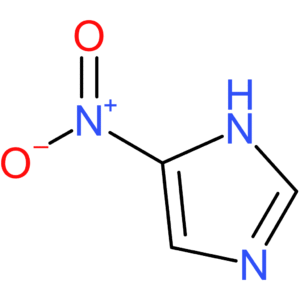
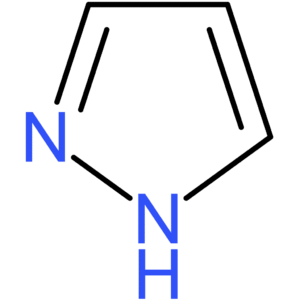
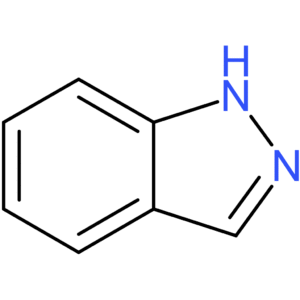
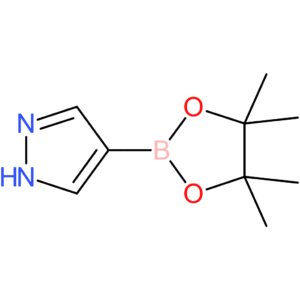
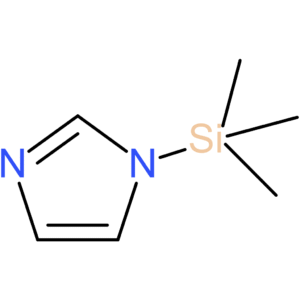
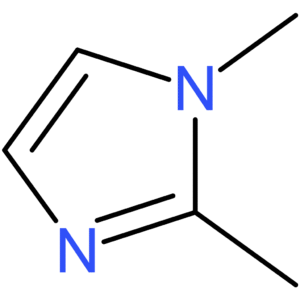
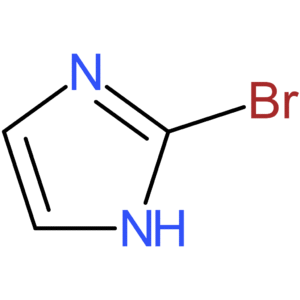
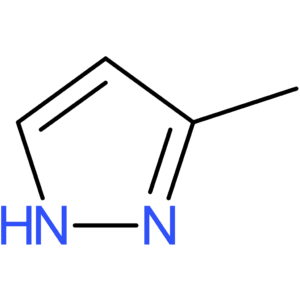
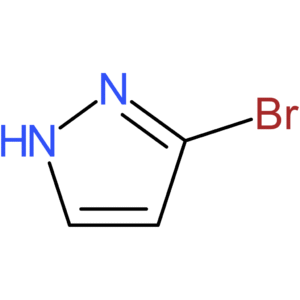
Imidazoles & Pyrazoles: Key diazole scaffolds designed as essential starting materials for transition metal-catalyzed Suzuki and Buchwald-Hartwig couplings.
-
Chiral Pyrrolidines (Proline Derivatives): High-purity, enantiomerically pure building blocks optimized as powerful chiral organocatalysts and synthetic biology precursors.
-
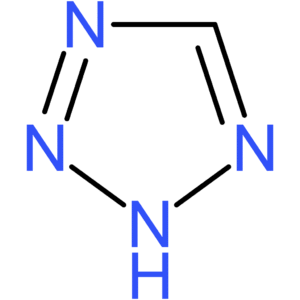
Triazoles & Tetrazoles: Specialized scaffolds engineered for Click chemistry or serving as highly stable carboxylic acid bioisosteres (such as sartans).
Regioselective N-H Functionalization and Isomeric Purity Assurance
Introducing substituents onto azole rings requires precise control over tautomeric equilibria and N-H regioselectivity. We specialize in the regioselective N-alkylation and N-protection (using Boc, Trityl, or SEM groups) of pyrazoles and triazoles. We verify chemical specifications using high-resolution GC or HPLC and NMR spectroscopy to guarantee absolute structural and isomeric purity.
Frequently Asked Questions
A: Unprotected azole nitrogens are highly nucleophilic and can undergo unwanted alkylations or poison palladium catalysts. Using N-protected azole building blocks (featuring Boc, Trityl, or SEM groups) masks this nucleophilicity, ensuring clean, orthogonal couplings.
A: Azole N-alkylation often yields mixtures of N1 and N2/N3 isomers. We resolve and measure these isomer ratios using high-resolution capillary GC or HPLC and confirm the exact regiochemistry via detailed 1H-NMR and 13C-NMR spectroscopy.
A: Yes. Our high-purity tetrazoles (typically ≥98%) possess similar acidity to carboxylic acids but have improved metabolic stability and lipophilicity, making them highly desirable building blocks for developing angiotensin II receptor blockers (sartans).