Hydrazide Building Blocks & Acylhydrazones
Welcome to OUHE Technology’s catalog of hydrazide building blocks and acylhydrazones. We supply high-purity aliphatic hydrazides, substituted benzohydrazides, and heterocyclic hydrazide derivatives essential for pH-sensitive drug delivery, heterocyclic cyclizations, and Curtius rearrangements. Use our advanced search bar to filter by CAS number or product name to secure your target building blocks.
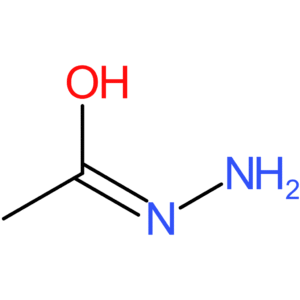
High Terminal Nucleophilicity and pH-Responsive Acylhydrazone Linkage
The terminal primary nitrogen in hydrazides exhibits exceptional nucleophilicity due to the alpha-effect, allowing for highly selective condensations with aldehydes or ketones. This reaction yields acylhydrazone intermediates, which are widely used as pH-responsive linkers in targeted oncology drug delivery. At OUHE Technology, we prevent moisture-induced degradation and clumping of our high-purity hydrazide building blocks by packaging them under dry nitrogen in moisture-proof, hermetically sealed containers.
Structural Classes: From Benzohydrazides to Curtius Precursors
-
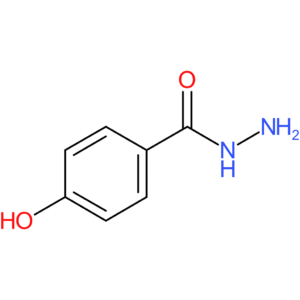
Substituted Benzohydrazides: Aromatic building blocks utilized for reacting with nitrous acid to form acyl azides, the prime precursors for thermal Curtius rearrangements.
-
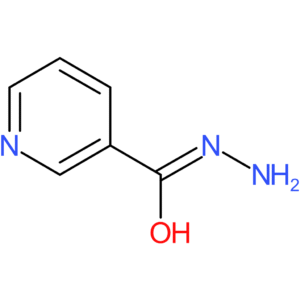
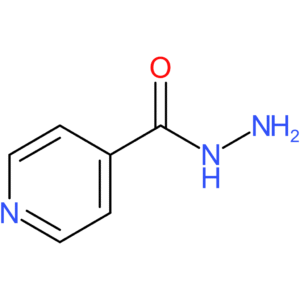
Heterocyclic Hydrazides: Pyridine, furan, and thiophene-derived hydrazides optimized for synthesizing agricultural fungicides and targeted enzyme inhibitors.
-
Protected Hydrazides (Boc/Cbz-protected): Mono-protected building blocks designed to selectively block terminal nucleophilicity, allowing regioselective functionalization of the core carbonyl.
Heterocyclic Cyclization Chemistry and HPLC Quality Control
Hydrazides are essential starting materials for constructing 1,3,4-oxadiazoles, 1,3,4-thiadiazoles, and 1,2,4-triazoles via dehydrative or oxidative cyclizations. We specialize in the custom synthesis of regiochemically pure hydrazides, preventing isomeric impurities. Our analytical team verifies chemical specifications using high-resolution HPLC or GC and NMR spectroscopy to guarantee absolute structural and isomeric purity before scale-up.
Frequently Asked Questions
A: Acylhydrazones formed from our high-purity hydrazides act as acid-labile linkers. They are highly stable at physiological pH (7.4) but undergo rapid, selective hydrolysis in acidic intracellular environments (pH <5.5, like lysosomes of cancer cells), enabling controlled drug release.
A: Our hydrazides react with nitrous acid to yield reactive acyl azides. Upon heating, these intermediates undergo a Curtius rearrangement, releasing nitrogen gas and generating isocyanates, which can be cleanly converted into carbamates, ureas, or primary amines.
A: We monitor purity and detect free carboxylic acid or hydrazine impurities using high-resolution HPLC or GC-FID. We also perform Karl Fischer titration to strictly control water content (typically <0.05%) to prevent slow hydrolysis of the hydrazide group during storage.