Nitrile Building Blocks & Cyano Synthons
Welcome to OUHE Technology’s catalog of nitrile building blocks and cyano synthons. We supply high-purity aliphatic nitriles, substituted benzonitriles, and active malononitrile derivatives essential for multi-step organic transformations, heterocyclic cyclizations, and drug discovery. Use our advanced search bar to filter by CAS number or product name to secure your target building blocks.
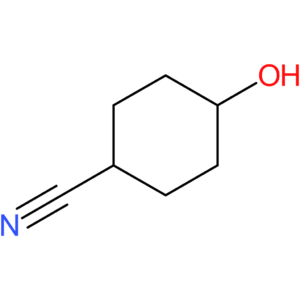
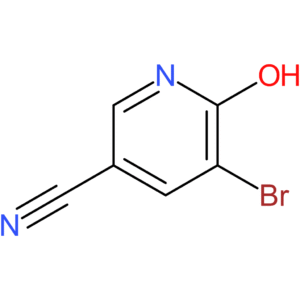
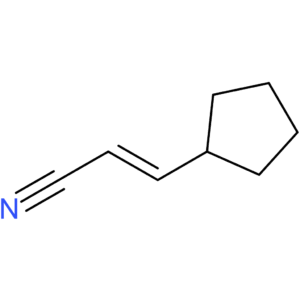
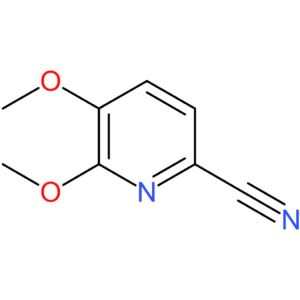
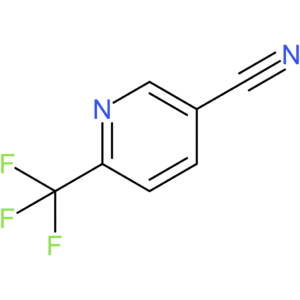
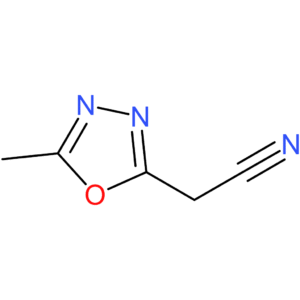
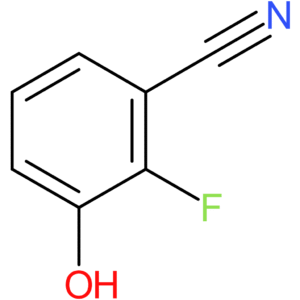
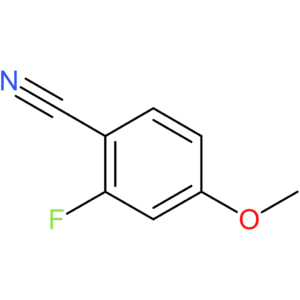
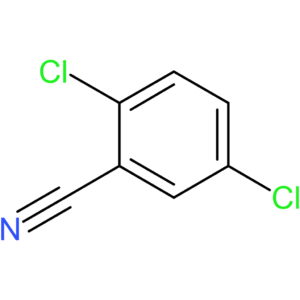
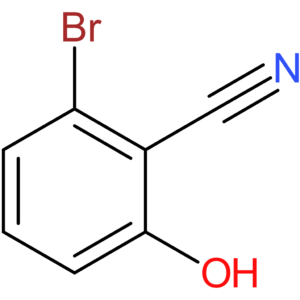
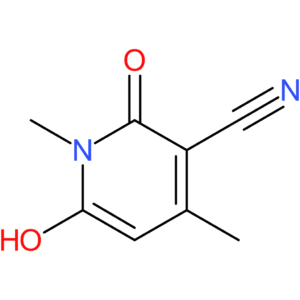
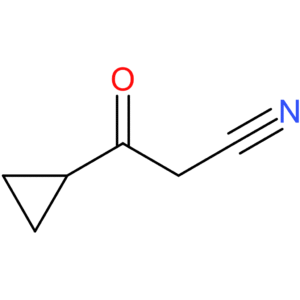
Exploiting the Powerful Cyano (-C≡N) Group as a Multi-Directional Synthon
The polar cyano group (−C≡N) serves as a highly robust, multi-directional functional handle in organic synthesis. At OUHE Technology, we supply nitriles optimized for diverse transformation pathways, enabling seamless hydrolysis into carboxylic acids or amides, reduction to primary amines, or Grignard additions to yield ketones. Our high-purity cyano synthons ensure clean, high-yielding conversions with minimal side-products.
Structural Sub-Classes: From Benzonitriles to Active Malononitriles
-
Substituted Benzonitriles: Electron-deficient aromatic building blocks optimized for Suzuki cross-couplings and selective nucleophilic aromatic substitutions (SNAr).
-
Malononitrile & Aliphatic Derivatives: Highly polar intermediates featuring active methylene groups, ideal for heterocyclic cyclizations and nucleophilic additions.
-
Heterocyclic Nitriles: Cyano-substituted pyridines, furans, and thiophenes serving as advanced scaffolds to improve metabolic stability and lipophilicity in drug molecules.
Safety Compliance, Moisture-Barrier Sealing, and Quality Control
Certain reactive nitriles can release toxic hydrogen cyanide (HCN) under highly acidic or thermal conditions. We manage this risk and preserve chemical integrity by packaging our reactive nitrile building blocks under dry nitrogen in hermetically sealed, moisture-proof containers. Every batch is verified via high-resolution GC or HPLC and NMR spectroscopy to guarantee absolute structural and isomeric purity.
Frequently Asked Questions
A: The cyano group is a versatile precursor that can be converted into amides, amines, or ketones. It also serves as a polar pharmacophore that can improve drug-target binding affinity through hydrogen bonding or act as a bioisostere for halogen atoms.
A: Many of our benzonitriles readily undergo [3+2] cycloaddition reactions with azides (such as sodium azide or trimethylsilyl azide) to form tetrazoles. This heterocyclic ring is a classic, highly stable bioisostere for carboxylic acids in drug design.
A: We verify the purity of polar aliphatic nitriles using high-resolution capillary GC or HPLC equipped with highly selective columns to resolve potential polar impurities. Structural confirmation is provided via detailed NMR and MS spectra.