Organic Alcohol Building Blocks & Hydroxyl Synthons
Welcome to OUHE Technology’s catalog of organic alcohol building blocks and hydroxyl synthons. We supply high-purity aliphatic alcohols, chiral diols, and substituted benzyl alcohols essential for nucleophilic activations, selective protections, and carbonyl acetalizations. Use our advanced search bar to filter by CAS number or product name to secure your target building blocks.
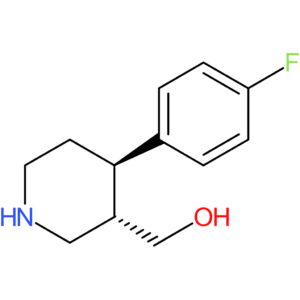
![2-(5-BROMOPYRIMIDIN-2-YL)PROPAN-2-OL 9-BOC-3,9-DIAZA-BICYCLO[3.3.1]NONANE](https://ouhetech.com/wp-content/uploads/2026/06/A26621-300x300.png)
![endo-9-Azabicyclo[3.3.1]nonan-3-ol](https://ouhetech.com/wp-content/uploads/2026/06/A26602-300x300.png)
![(1R,8S,9s)-Bicyclo[6.1.0]non-4-yn-9-ylmethanol for Copper-free Click Chemistry](https://ouhetech.com/wp-content/uploads/2026/06/A26481-300x300.png)
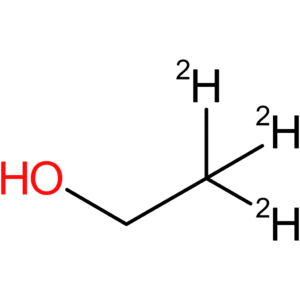
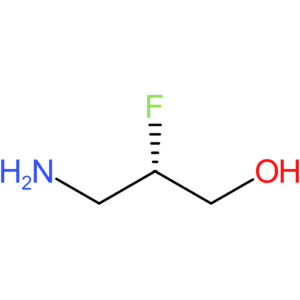
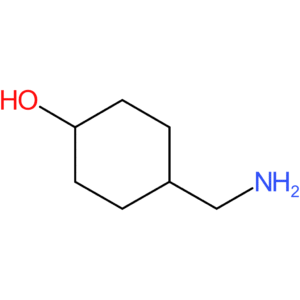
![3-Bromopyrazolo[1,5-a]pyrimidin-6-ol](https://ouhetech.com/wp-content/uploads/2026/06/A26640-300x300.png)
High Hydrogen Bonding Polarities and Moisture-Sensitive Anhydrous Management
The hydroxyl group (-OH) forms strong intermolecular hydrogen bonds, raising boiling points and making small-molecule alcohols highly hygroscopic. These anhydrous reagents easily absorb atmospheric moisture, which can hydrolyze active coupling partners in subsequent synthetic steps. At OUHE Technology, we prevent moisture contamination and dilution by packaging our anhydrous alcohol building blocks under high-purity dry nitrogen in hermetically sealed containers.
Structural Classes: From Chiral Pool Diols to Protected Synthons
-
Diols & Polyols: High-purity 1,2-diols and 1,3-diols optimized as polymer monomers and reversible cyclic acetal or ketal protecting groups for carbonyls.
-
Aliphatic & Substituted Benzyl Alcohols: Prime precursors optimized for selective etherification, oxidation, or tosylation (OTs) and mesylation (OMs) conversions.
-
Chiral Pool Alcohols: Enantiomerically pure building blocks designed for asymmetric organocatalysis, stereoselective API synthesis, or Mitsunobu stereochemical inversions.
Steric Protection and Spectroscopic Quality Control
Differentiating multiple hydroxyl groups requires utilizing steric differences (such as selectively protecting primary alcohols using bulky silyl ethers like TBS-Cl). We specialize in the custom synthesis of regiochemically pure polyols and protected alcohol derivatives. We verify organic purity and control trace moisture (<0.05%) using high-resolution GC-FID or HPLC and Karl Fischer titration, confirmed by detailed NMR and MS spectra.
Frequently Asked Questions
A: Primary alcohols are sterically less hindered than secondary alcohols. By using bulky protecting reagents (such as tert-butyldimethylsilyl chloride / TBS-Cl or trityl chloride / Trt-Cl) at low temperatures, we can achieve highly selective primary hydroxyl protection without affecting secondary sites.
A: Our high-purity diols readily undergo acid-catalyzed condensation with aldehydes or ketones to form stable cyclic acetals or ketals. This selectively masks highly reactive carbonyl groups, protecting them from reduction or nucleophilic attack during multi-step synthesis.
A: We measure trace water levels down to parts-per-million (ppm) using Karl Fischer titration. Organic purity is verified using high-resolution capillary GC-FID or HPLC with polar phases to prevent peak tailing, and structure is confirmed via NMR and MS.