Carboxylic Acid Building Blocks & Carboxyl Synthons
Welcome to OUHE Technology’s catalog of carboxylic acid building blocks and carboxyl synthons. We supply high-purity aliphatic carboxylic acids, substituted benzoic acids, and dicarboxylic acids essential for peptide amidation, Fischer esterification, and acyl halide conversions. Use our advanced search bar to filter by CAS number or product name to secure your target building blocks.
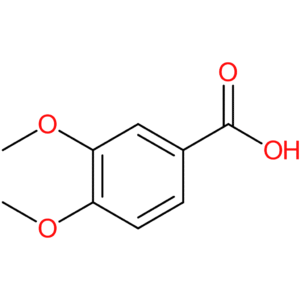
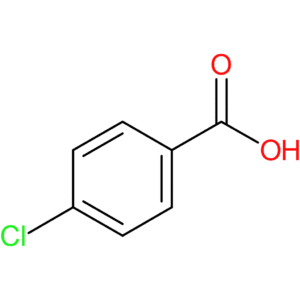
Intermolecular Hydrogen-Bonded Dimers and Pungent Odor Containment
The carboxyl group (-COOH) forms exceptionally strong intermolecular hydrogen-bonded dimers, resulting in high melting points and structural stability. However, low molecular weight carboxylic acids are volatile liquids with pungent, offensive odors. At OUHE Technology, we prevent vapor leakage and moisture absorption by utilizing specialized odor-barrier, air-tight packaging under dry nitrogen.
Essential Synthetic Handles: From Peptide Amidation to Decarboxylation
-
Substituted Benzoic Acids: Key aromatic building blocks optimized for Fischer esterifications and peptide amide couplings using reagents like HATU, EDC, or DCC.
-
Acyl Chloride Precursors: Active intermediates optimized for reaction with SOCl2 or oxalyl chloride to synthesize highly reactive acyl chloride building blocks.
-
Decarboxylation Scaffolds: Compounds designed for selective thermal or metal-catalyzed decarboxylation pathways to cleanly remove carboxyl handles.
Controlling Acid-Catalyzed Side Reactions and Chromatographic Purity
Because carboxylic acids are acidic and can catalyze unwanted side reactions (such as ester or acetal hydrolysis) if trace water is present, rigorous quality control is essential. We utilize high-resolution HPLC or GC-FID to accurately measure active acid content and detect organic impurities. Complete structural verification is provided via NMR and MS spectroscopy through our academic partnerships.
Frequently Asked Questions
A: Our high-purity carboxylic acid intermediates react smoothly with primary or secondary amines in the presence of coupling reagents (such as HATU, EDC, or DCC) and an organic base (like DIEA). This suppresses racemization and ensures high-yielding peptide and amide bond formation.
A2: Carboxylic acids are weak electrophiles. Reacting our dry intermediates with chlorinating agents like thionyl chloride (SOCl2) converts them into highly reactive acyl chloride building blocks, which undergo extremely fast, quantitative coupling with poor nucleophiles.
A: We analyze highly polar, non-volatile dicarboxylic acids using high-resolution HPLC or capillary GC (after silylation derivatization). Structural and isomeric configurations are confirmed via detailed 1H-NMR, 13C-NMR, and MS spectra.