Phenol Building Blocks & Aromatic Synthons
Inhibiting Quinoid Discoloration and Moisture Degradation in Phenol Synthons
Inhibiting Quinoid Discoloration and Moisture Degradation in Phenol Synthons
The phenolic hydroxyl group (-OH) easily undergoes autoxidation to form colored quinoid impurities, turning white solid synthons pink or dark brown. At OUHE Technology, we prevent this degradation by packaging our high-purity phenol building blocks under dry nitrogen in light-shielded containers, preserving their chemical reactivity for precise downstream C-C bond formations.
Structural Classes for Multi-Step Aromatic Assembly
-
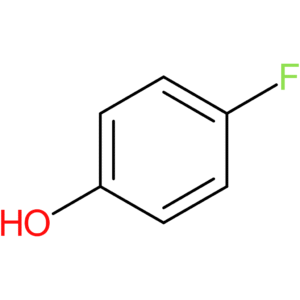
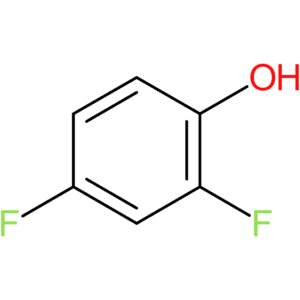
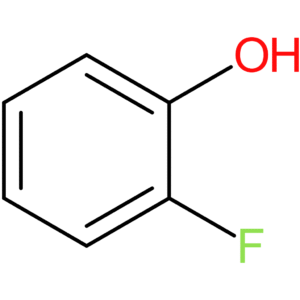
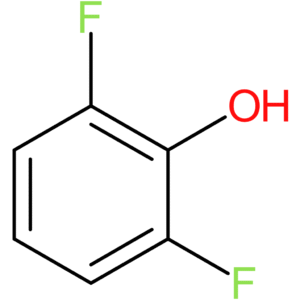
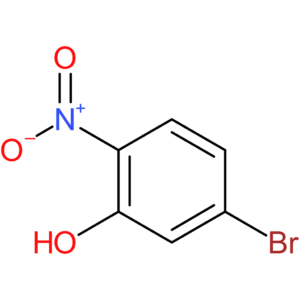
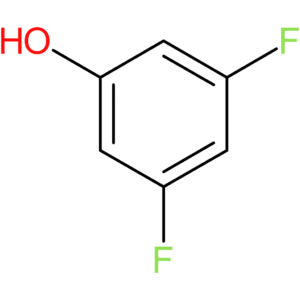
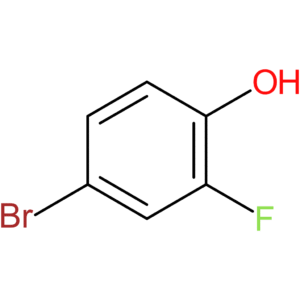
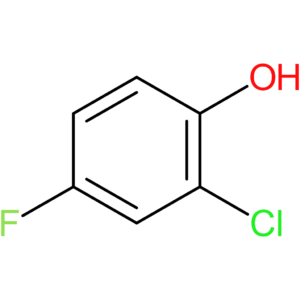
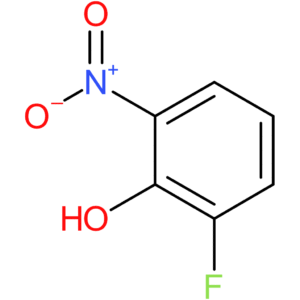
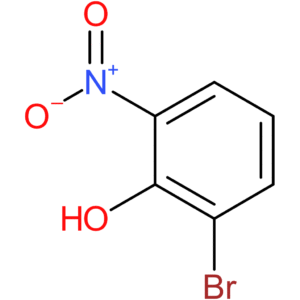
Halophenols (Fluoro-, Chloro-, Bromo-): Essential halogenated building blocks where the substituent dictates regioselective electrophilic aromatic substitutions (EAS).
-
Phenolic Boronic Acids & Esters: High-purity coupling synthons (including pinacol boronates) designed as direct partners for transition metal-catalyzed Suzuki-Miyaura cross-couplings.
-
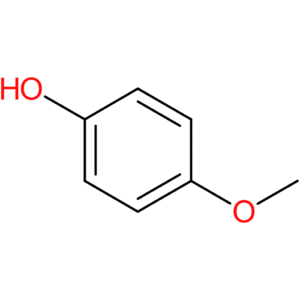
Protected Phenolic Intermediates: Synthons featuring reversible hydroxyl protection (using methyl, benzyl, or silyl ethers) to block unwanted O-alkylation or metal coordination.
Regioselective Directing Effects and High-Purity Quality Assurance
Introducing substituents into phenol rings requires careful management of the strong activating and ortho/para-directing effect of the hydroxyl group. We specialize in the custom synthesis of rare substituted phenols with highly defined regiochemistry. Every batch of our aromatic building blocks is verified using high-resolution GC or HPLC and NMR spectroscopy to ensure absolute structural and isomeric purity before scale-up.
Frequently Asked Questions
A: The highly nucleophilic -OH group can coordinate with metal catalysts (like Pd or Ni) or undergo unwanted O-alkylation. We recommend utilizing our protected phenolic building blocks (featuring silyl or benzyl ethers) to block hydroxyl interference during coupling.
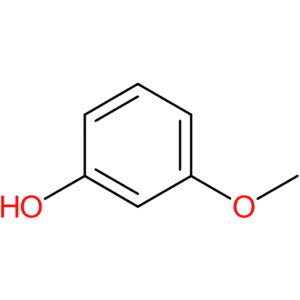
A: Phenolic isomers (such as ortho, meta, and para positions) can have very similar physical properties. We verify precise substitution positions using high-resolution HPLC or capillary GC and confirm structure via 1H-NMR, 13C-NMR, and MS spectra.
A: Yes. While we stock standard analytical milligram scales, we can scale the production of specific halophenols and protected phenol building blocks up to multi-kilogram or pilot-scale batches, supplying complete GHS MSDS and COA.