Amide Fine Chemicals & Peptide Linkers
Welcome to OUHE Technology’s catalog of amide fine chemicals and peptide linkers. We supply high-purity primary amides, secondary amides, and cyclic lactams essential for pharmaceutical APIs, peptide coupling, and specialty polymer formulations. Use our advanced search bar to filter by CAS number or product name to secure your target intermediates.
![3-Methyl-L-valyl-(4R)-4-hydroxy-N-[4-(4-methyl-1,3-thiazol-5-yl)benzyl]-L-prolinamide](https://ouhetech.com/wp-content/uploads/2026/06/A21426-300x300.png)
![Benzenesulfonamide,4-acetyl-N-[(cyclohexylamino)carbonyl]-](https://ouhetech.com/wp-content/uploads/2026/06/A21326-300x300.png)
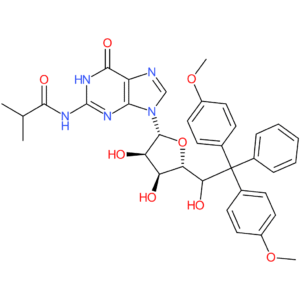
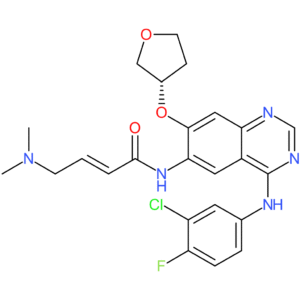
Amide Bond Resonance, Planarity, and Rotameric NMR Profiles
The carbon-nitrogen bond in amides exhibits significant double-bond character due to resonance, restricting rotation and creating distinct cis/trans rotamers. This planarity imparts high stability but often complicates NMR analysis with split peaks. At OUHE Technology, we provide high-purity amides and peptide linkers with comprehensive 1H-NMR characterization to resolve rotameric profiles, ensuring predictable structural behavior in your synthetic sequences.
Structural Classes: From Primary Amides to Cyclic Lactams
-
Primary Amides: Key precursors designed for dehydration to nitriles or Hofmann rearrangements to yield primary amines with one less carbon.
-
Secondary & Tertiary Amides: Structurally stable blocks optimized as high-performance polar aprotic solvents, coupling agents, and pharmaceutical intermediates.
-
Cyclic Lactams: Nitrogen-containing ring systems (such as pyrrolidones and piperidones) serving as core pharmacophores and polymer monomers.
Hydrolysis Resistance, Dehydration Chemistry, and Moisture Control
Unlike esters, amides are highly resistant to chemical hydrolysis, requiring refluxing with concentrated acids or bases to cleave. However, some cyclic lactams and small-molecule amides are highly hygroscopic. We package our hygroscopic amide intermediates under dry nitrogen in moisture-barrier containers. Every batch is verified using high-resolution GC or HPLC to control trace water and precursor acid impurities.
Frequently Asked Questions
A: The partial double-bond character of the C-N amide bond restricts rotation, producing stable cis and trans rotamers at room temperature. This is a normal physical property of amides and does not indicate chemical impurity.
A: We analyze non-volatile amides using high-resolution HPLC and volatile derivatives using GC-FID. We also perform Karl Fischer titration to control moisture levels and provide NMR spectra to confirm rotameric ratios.
A: Yes. Our high-purity primary amide intermediates (typically ≥98%) are optimized for dehydration to nitriles (using POCl3 or SOCl2) or reduction to primary amines (using LiAlH4). We supply these building blocks in multi-kilogram batches.