Ketone Fine Chemicals & Carbonyl Intermediates
Welcome to OUHE Technology’s catalog of ketone fine chemicals and carbonyl intermediates. We supply high-purity aliphatic ketones, aromatic acetophenones, and cyclic ketones essential for pharmaceutical APIs, fragrance formulations, and advanced polymer synthesis. Use our advanced search bar to filter by CAS number or product name to locate your target intermediates.
![2-Bromo-1-[4-(trifluoromethyl)phenyl]ethan-1-one](https://ouhetech.com/wp-content/uploads/2026/06/A19011-300x300.png)
Electrophilic Carbonyl (C=O) Reactivity and Steric Considerations
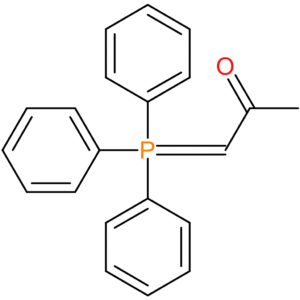
The carbonyl group (C=O) in ketones serves as a highly stable electrophilic center. At OUHE Technology, we supply ketones optimized for selective Grignard additions to yield tertiary alcohols and reversible ketal protection pathways. Our high-purity intermediates ensure minimal side-reactions and predictable reaction kinetics in your multi-step organic synthesis.
Saturated, Aromatic, and Cyclic Ketone Sub-Classes
-
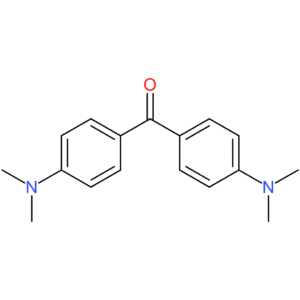
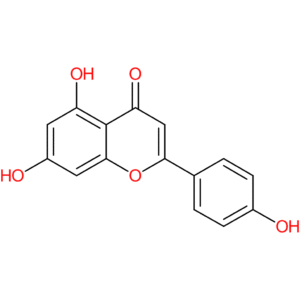
Aromatic Acetophenones: Substituted phenones widely used as fundamental starting materials for APIs, agrochemical fungicides, and photoinitiators.
-
Cyclic Ketones (Cyclohexanones, Cyclopentanones): Enolizable ring structures ideal for Robinson annulations, aldol condensations, and polymer monomers.
-
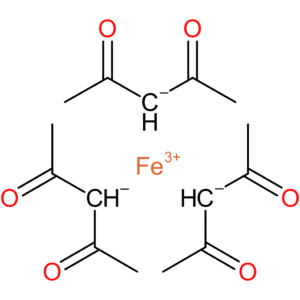
Aliphatic & Diketones: Highly polar solvents and chelating agents (such as acetylacetone derivatives) designed for coordination chemistry and metal extraction.
Enolization Chemistry, Moisture Control, and Quality Verification
The acidic alpha-hydrogens of enolizable ketones enable versatile C-alkylations and halogenations. Since trace moisture can cause unwanted aldol side-reactions or ketal hydrolysis, we package our enolizable ketone compounds under dry nitrogen in moisture-proof containers. Every batch is verified via high-resolution GC or HPLC and NMR spectroscopy to guarantee precise chemical and isomeric purity.
Frequently Asked Questions
A: Trace moisture can catalyze aldol self-condensation or hydrolyze ketal-protected ketones. We package our moisture-sensitive ketones under dry nitrogen in hermetically sealed containers. We recommend cold, dry storage.
A: We analyze substituted acetophenones using high-resolution capillary GC or HPLC with highly selective stationary phases. We also provide complete NMR and MS spectra to confirm precise ring substitution patterns.
A: Yes. Our high-purity 1,3-diketones (typically ≥98%) readily enolize to form stable bidentate chelating ligands. We supply these specialty carbonyl reagents in multi-kilogram and customized pilot-scale batches.