Nitro Compounds & Aromatic Precursors
Welcome to OUHE Technology’s catalog of nitro compounds and aromatic precursors. We supply high-purity aliphatic nitroalkanes, substituted nitrobenzenes, and dinitro intermediates essential for amine reduction, Henry reactions, and nucleophilic aromatic substitutions. Use our advanced search bar to filter by CAS number or product name to secure your target intermediates.
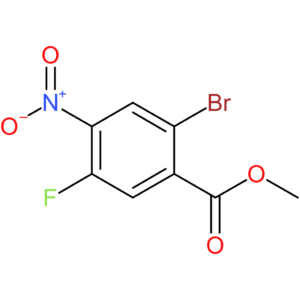
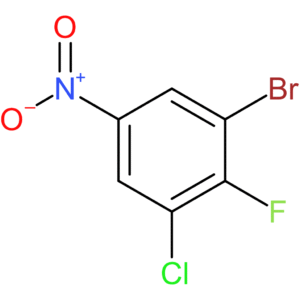
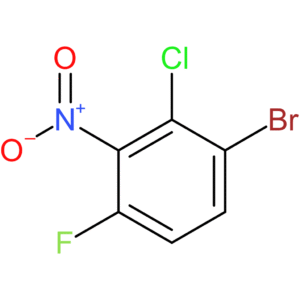
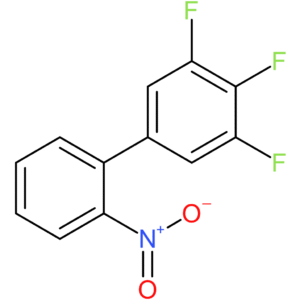
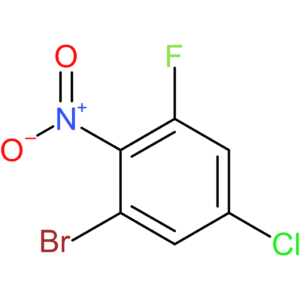
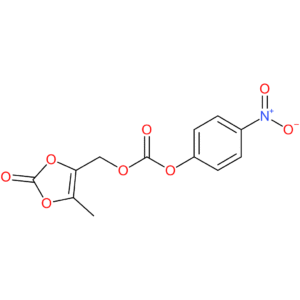
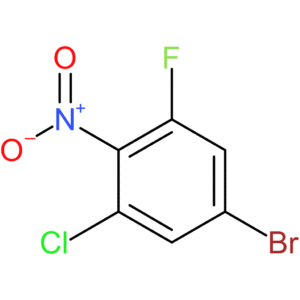
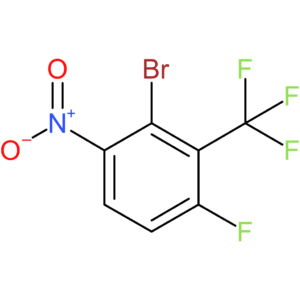
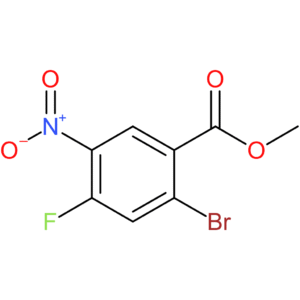
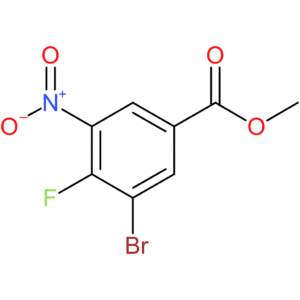
![di-t-butyl 4-[2-(t-butoxycarbonyl)ethyl]-4-nitroheptanedicarboxylate](https://ouhetech.com/wp-content/uploads/2026/06/A22619-300x300.png)
![5,5′-Dichloro-3,3′-dinitro-[1,1′-biphenyl]-2,2′-diol](https://ouhetech.com/wp-content/uploads/2026/06/A22590-300x300.png)
Exploiting the Strong Electron-Withdrawing Power of the Nitro (-NO2) Group
The nitro group (−NO2) is one of the strongest electron-withdrawing groups in organic chemistry, heavily deactivating aromatic rings toward electrophilic attacks while strongly activating them toward nucleophilic aromatic substitutions (SNAr) at ortho and para positions. At OUHE Technology, we supply high-purity nitro intermediates designed for clean, regioselective substitutions, ensuring high synthetic yields in your target API development.
Essential Synthons: From Amine Precursors to Henry Nucleophiles
-
Substituted Nitrobenzenes: Highly sought-after precursors for selective reduction to primary amines (anilines) using catalytic hydrogenation or chemical reducing agents.
-
Aliphatic Nitroalkanes: Reagents with highly acidic alpha-hydrogens, ideal as nucleophiles for Henry (nitroaldol) reactions and Michael additions to construct complex C-C bonds.
-
Polynitro Intermediates: Dual or multi-functionalized building blocks designed as precursors for heterocyclic ring cyclizations and energetic materials.
Thermal Instability Management and Dangerous Goods Logistics
Many nitro compounds, particularly polynitrated aromatics, exhibit inherent thermal instability and present shock or heat-sensitive hazards. To ensure laboratory and warehouse safety, we package our reactive nitro compounds in robust, UN-certified containers under dry nitrogen. Every batch is verified via high-resolution GC or HPLC and NMR spectroscopy to control trace water and organic impurities, accompanied by GHS-compliant MSDS.
Frequently Asked Questions
A: Polynitro compounds can be thermally unstable or sensitive to shock. We package all hazardous nitro reagents in UN-certified, heavily insulated containers with GHS-compliant hazard labels, providing complete Dangerous Goods (DG) shipping documentation for safe transit.
A2: For selective reduction of the −NO2 group in the presence of sensitive groups (like halogens or carbonyls), we recommend mild chemical reductions (such as Fe/HCl or SnCl2) or optimized catalytic transfer hydrogenation, ensuring high yields of aniline derivatives.
A: Due to the strong polarity of aliphatic nitro compounds, we verify their purity using high-resolution capillary GC or HPLC and confirm the structural integrity and absence of acidic nitronate impurities via NMR and MS spectra.